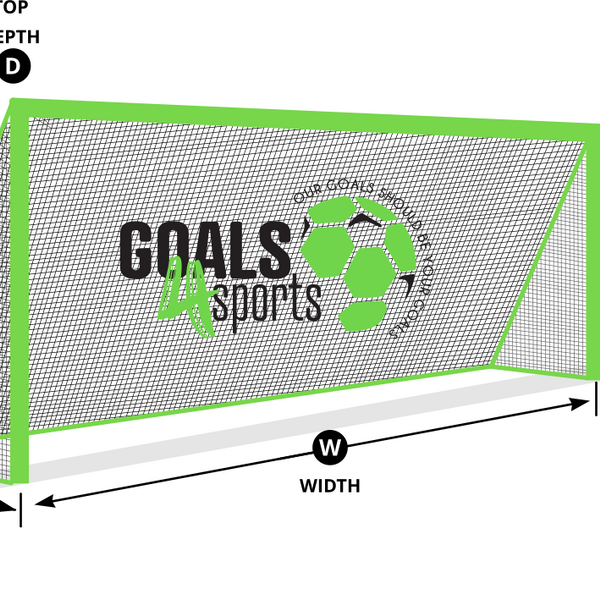
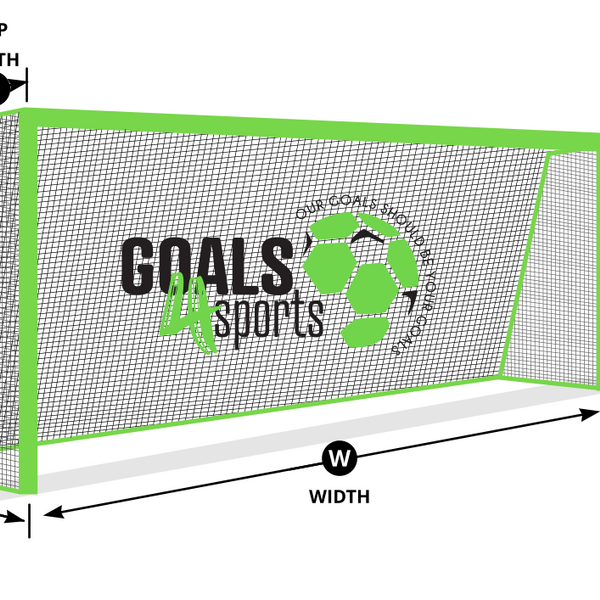
A soccer goal can look “good enough” from a distance and still be overdue for repair or replacement. For schools, clubs, parks departments, and training facilities, that is a risk you do not want to ignore. The U.S. Consumer Product Safety Commission warns that movable soccer goals can tip over and cause serious injury or death if they are not properly anchored, and ASTM’s current soccer goal safety specification is designed to reduce those injuries and fatalities.
If you manage athletic fields, coach multiple teams, or oversee facility purchasing, the right question is not just “Do we need new goals?” It is also: Are our current soccer goals, nets, and anchors still safe, serviceable, and worth keeping in use?
This guide explains when to replace a soccer goal, when to replace a soccer net, when to upgrade or replace an anchor system, and how to build a practical inspection routine for your program.
Why Regular Soccer Goal Inspections Matter
Soccer goals take abuse year after year. They are moved, dragged, stored outdoors, exposed to sun and moisture, and used in all kinds of conditions. Over time, that wear adds up. Even strong aluminum or steel frames can develop problems, while nets, clips, wheels, and anchors often wear out faster than the main goal frame. CPSC guidance specifically emphasizes anchoring, installation, use, and storage practices for full-size or nearly full-size movable soccer goals because tip-over hazards remain a serious safety issue.
For athletic directors and club leaders, regular inspections help you:
- reduce avoidable safety risks
- spot equipment problems before they become failures
- budget for replacements before the season starts
- extend the life of quality soccer equipment
- document a more responsible maintenance process
This is especially important for programs using movable goals, training goals, or goals that are routinely repositioned for practice and match play.
When Should You Replace a Soccer Goal Frame?
A soccer goal frame should usually be replaced when the structure is no longer reliable, stable, or safe to anchor and use properly.
Here are the biggest warning signs.
1. The Frame Is Bent, Twisted, or Out of Square
If the uprights, crossbar, base frame, or backstays are visibly bent, the goal may no longer sit correctly on the field or distribute weight properly. A goal that does not sit squarely can create stress points, affect net fit, and increase stability concerns.
Minor cosmetic wear is one thing. Structural distortion is another.
2. Welds Are Cracked or Failing
Check all welded joints, especially at corners, backstays, wheel mounts, and ground frame connections. Hairline cracks can spread over time, especially on frequently moved goals.
If a weld is compromised, the safest answer is often repair by a qualified professional or full replacement, depending on age and severity.
3. The Goal No Longer Anchors Correctly
A movable goal should always be anchored. CPSC safety guidance and historic soccer goal safety standards both stress that unsecured goals can tip over and that warning labels should remind users to always anchor the goal.
If the anchor attachment points are damaged, rusted, bent, missing, or no longer compatible with your anchor setup, the goal may not be dependable in use.
4. The Frame Has Severe Corrosion or Metal Fatigue
Not every rust spot means a goal must be replaced. But deep corrosion, pitting, weakened fastener points, or repeated structural failures are strong signals that the frame is reaching the end of its useful life.
This matters most on older steel components, hardware, wheel assemblies, and connection points.
5. Replacement Parts Are No Longer Practical
Sometimes the frame is technically repairable, but the repair no longer makes sense. If you are replacing clips, wheels, hardware, net attachments, and brackets over and over again, a new goal may be the more cost-effective long-term choice.
For many schools and clubs, repeated patchwork repairs become more expensive than planned replacement.
When Should You Replace a Soccer Net?
Soccer nets often need replacement much sooner than the goal frame. Sun, weather, repeated ball impact, field equipment, improper storage, and general wear can all shorten net life.
You should replace a soccer net when any of the following are happening:
1. The Mesh Is Frayed or Breaking
If sections of the mesh are fraying, splitting, or snapping under normal use, the net is no longer reliable. Once one section begins to fail, nearby strands often follow.
2. There Are Multiple Repairs or Tie-Offs
A temporary repair may get you through a short stretch of the season. But a net covered in knots, zip ties, or makeshift patch areas is usually a sign that it is time to replace it.
3. The Net Sags Excessively or No Longer Fits Properly
A net that has stretched out, shrunk unevenly, or no longer fits the frame correctly can create a poor appearance and increase stress on clips and attachment points.
4. UV Exposure Has Made the Material Brittle
Outdoor nets live in the sun. Over time, UV exposure can make the material stiff, faded, brittle, or prone to cracking.
5. The Net Creates a Safety or Playability Issue
A damaged net may not stop shots cleanly, may snag players or equipment, and may simply make the field look poorly maintained. For school and club programs, that affects both function and presentation.
Goals4Sports® offers a wide range of soccer nets, along with clips and replacement accessories, which makes it easier for programs to replace worn nets without replacing the entire goal system.
When Should You Replace a Soccer Goal Anchor System?
Anchor systems are one of the most important parts of soccer goal safety. According to the CPSC, movable soccer goals should be secured, and alternate counterweights may be used on hard surfaces such as artificial turf when appropriate. ASTM’s current F2950 standard applies to soccer goals weighing more than 40 pounds and is intended to improve safety and performance.
You should inspect and replace anchors when you notice any of the following:
1. Anchors Are Missing
This sounds obvious, but it happens all the time. Goals get moved, hardware gets lost, and a field crew assumes someone else secured the frame.
If the anchors are missing, the goal should not be used until the system is restored.
2. Anchors Are Bent, Corroded, or Damaged
Ground stakes, J-stakes, augers, straps, sandbags, or counterweight systems can all wear out. Bent metal, weakened attachment points, torn straps, or corroded components reduce reliability.
3. The Anchor Type No Longer Matches the Surface
A system that worked on natural grass may not be the right solution for artificial turf, hard ground, or a different field layout. CPSC notes that sandbags or other counterweights can be effective alternatives on hard surfaces such as artificial turf.
4. Staff Cannot Tell Whether the Goal Is Properly Secured
If your anchoring system is inconsistent, improvised, or confusing for staff, that is a problem. A simple, repeatable system is easier to inspect and more likely to be used correctly every time.
5. The Anchor Points on the Goal Are Wearing Out
Sometimes the anchor itself is fine, but the goal’s connection points are not. Bent brackets, damaged holes, or stretched hardware can make the whole system unreliable.
Goals4Sports® carries soccer goal accessories including anchors, wheel systems, clips, and replacement parts for programs that need to upgrade or restore safer setups.
Repair vs. Replace: How to Make the Right Call
Not every issue means you need a brand-new goal. In many cases, a school or club can safely replace only the worn component.
Repair or Replace the Net If:
- the frame is still structurally sound
- the anchor system is still dependable
- only the net or clips are worn
- the goal still sits square and stable
Replace the Anchor System If:
- the goal frame is still usable
- the old anchors are missing, damaged, or no longer match the surface
- the field setup has changed
- your current system is inconsistent or hard to inspect
Replace the Entire Goal If:
- the frame is bent, cracked, unstable, or no longer trustworthy
- the goal cannot be anchored reliably
- corrosion or structural fatigue is widespread
- repairs are becoming frequent and expensive
- replacement parts are difficult to source or no longer practical
A good rule: if the problem affects structural stability or safe anchoring, lean toward replacement rather than patchwork fixes.
A Practical Soccer Goal Inspection Checklist for Schools and Clubs
Here is a simple inspection routine your staff can use.
Before Every Season
Inspect:
- uprights and crossbar for bends or cracks
- welds and joints
- backstays and base frame
- anchor points and anchor hardware
- wheels and transport assemblies
- net condition and fit
- clips, ties, and attachment systems
- labels, warnings, and visible damage
During the Season
Check regularly for:
- loose or missing anchors
- torn net areas
- broken clips
- unstable frame movement
- corrosion or hardware loosening
- damage caused by moving or storage
After Moving the Goal
Any movable goal should be checked again after repositioning. CPSC guidance specifically centers on safe installation, use, and storage of movable soccer goals because movement and poor re-securing are major risk points.
Before Storage and After Storage
Inspect again before offseason storage and at the start of the next season. Storage damage is easy to miss until the goal is back on the field.
How Long Do Soccer Goals, Nets, and Anchors Typically Last?
There is no single answer, because lifespan depends on:
- material quality
- frequency of use
- climate and UV exposure
- whether the goals are moved often
- how they are stored
- whether maintenance is routine or reactive
In general:
- quality goal frames can last for years with proper care
- nets usually wear out faster than frames
- anchors, clips, and hardware often need replacement before the frame does
- high-use school and club environments usually shorten replacement cycles compared with occasional recreational use
That is why inspection matters more than guessing based on age alone.
Common Mistakes Schools and Clubs Should Avoid
Using a Goal with “Just a Small Problem”
Small problems tend to become bigger ones, especially during a busy season.
Dragging Goals Repeatedly Without Inspecting Them
Movable goals are convenient, but repeated dragging and repositioning can stress joints, wheels, and hardware.
Replacing the Net but Ignoring the Anchors
A fresh net improves appearance, but it does not solve a stability problem.
Assuming a Heavy Goal Does Not Need Anchoring
That is a costly assumption. CPSC’s safety guidance is clear that movable soccer goals should be secured, and ASTM F2950 applies to goals above 40 pounds.
Waiting Until the Season Starts to Evaluate Equipment
The best time to inspect is before you urgently need everything in service.
How Goals4Sports® Can Help
If your program is trying to decide whether to repair or replace soccer equipment, start with the basics:
- inspect the frame
- inspect the net
- inspect the anchor system
- inspect the hardware and wheels
- replace worn components before they become bigger problems
Goals4Sports® offers soccer goals, soccer nets, anchors, clips, wheels, and other soccer goal accessories for schools, clubs, colleges, parks departments, and training facilities. The site’s soccer goal accessories collection includes net fasteners, anchor systems, wheel kits, and replacement parts, while the broader soccer collection includes goals, nets, and field gear.
If your current setup is showing signs of structural wear, chronic net failure, or unreliable anchoring, this may be the right time to upgrade.
Final Thoughts
So, when should you replace a soccer goal, net, or anchor system?
Replace the goal when the frame is no longer structurally dependable. Replace the net when wear, UV damage, or repeated repairs make it unreliable. Replace the anchor system when it is missing, damaged, mismatched to the surface, or no longer easy for staff to use correctly every time.
For schools and clubs, the best approach is simple: inspect early, document issues, and do not wait for a preventable failure. A safer field starts with equipment you can trust.
FAQ's
How do I know if a soccer goal should be replaced?
A soccer goal should be replaced if the frame is bent, cracked, unstable, badly corroded, or no longer anchors securely.
How often should soccer goals be inspected?
Soccer goals should be inspected before the season, during the season, after being moved, and before and after storage.
When should I replace a soccer net?
Replace a soccer net when the mesh is frayed, torn, brittle from UV exposure, badly stretched, or repeatedly patched.
Do movable soccer goals always need anchors?
Yes. CPSC warns that unsecured movable soccer goals can tip over and cause serious injury or death.
Can I replace the anchors without replacing the goal?
Yes, if the goal frame is still structurally sound and the anchor connection points are in good condition.