The 2026 World Cup has officially transitioned from opening-night nerves to high-stakes drama. With Matchday 2 now in the books, the landscape of the knockout stages is beginning to take shape. For athletic directors, club owners, and facility managers, the electric atmosphere surrounding these matches isn't just about the scoreboard: it represents a tidal wave of interest in soccer that will define facility requirements for the next decade.
From the dominance of the North American hosts to the timeless brilliance of legends like Modric and Ronaldo, the second round provided a masterclass in elite performance. Here is your deep dive into the results and the emerging facility trends sparked by this global phenomenon.
Matchday 2 Recap: Drama, Dominance, and Legends
The second round of group matches served as a reality check for some and a coronation for others. Here are the key highlights that have the world talking:
North American Powerhouse Performances
The three host nations made a loud statement this round. On June 19, the USA secured a commanding 2-0 victory over Australia, showcasing a tactical discipline that has fans dreaming of a deep run. Meanwhile, Mexico edged out South Korea 1-0 in a high-intensity tactical battle that secured their path forward.
The biggest story of the week, however, came from the north. On June 18, Canada crushed Qatar 6-0. It was a historic performance that highlighted the depth of North American talent and left no doubt about their status as a global contender.
The Last Dance of the Titans
The "old guard" continues to defy time. Portugal thrashed Uzbekistan 5-0, powered by a clinical brace from Cristiano Ronaldo. Not to be outdone, Luka Modric marked his 200th cap for Croatia by leading his side to a hard-fought 1-0 win over Panama, proving that veteran leadership remains the bedrock of international success.
Scrappy Wins and Tactical Stalemates
- Norway vs. Senegal (3-2): A modern classic. Erling Haaland’s brace was enough to overcome a resilient Senegalese side in one of the most physically demanding matches of the tournament.
- Colombia vs. DR Congo (1-0): A defensive masterclass from the South Americans, holding off a late surge to secure three vital points.
- England vs. Ghana (0-0): A tactical stalemate that left both sides with work to do. Ghana’s disciplined low block frustrated an English attack that struggled to find its rhythm.

The "World Cup Effect" on Athletic Facilities
As these matches captivate millions, the ripple effect is felt immediately at the local level. Schools, colleges, and municipal parks are seeing an unprecedented surge in registration and play. This "World Cup Effect" places immense pressure on existing infrastructure.
When the world’s best compete, they do so on pitches equipped with the highest standards of safety and performance. To keep pace, North American facilities are moving away from flimsy, retail-grade equipment and investing in heavy-duty, engineered solutions that can withstand the increased "wear and tear" of year-round play.
Technical Excellence: Why Pevo Soccer Goals are the Standard
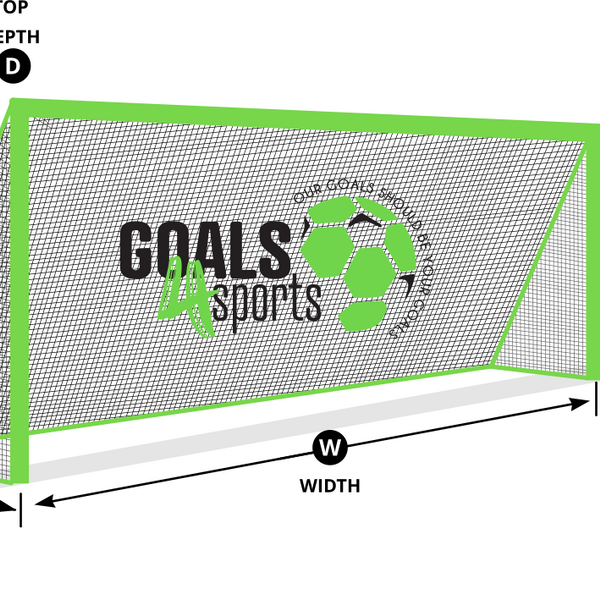
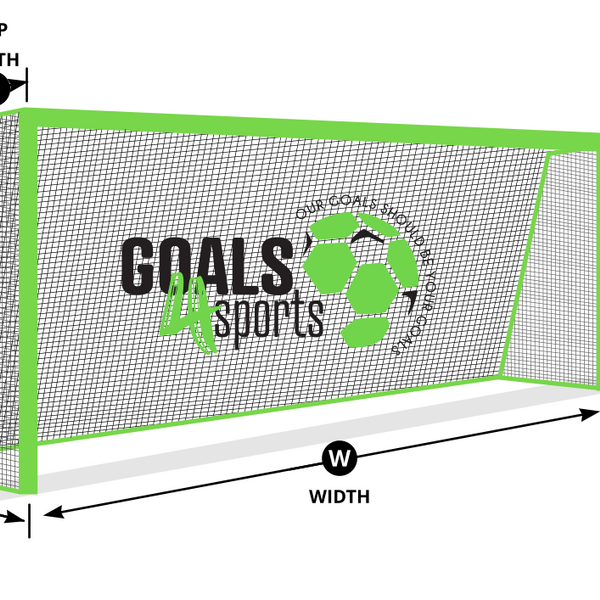
As teams advance in the World Cup, the demand for professional soccer goals has skyrocketed. Specifically, Pevo Soccer Goals have become the gold standard for facilities looking to replicate the professional environment.
Engineered for Durability
Pevo goals are constructed from powder-coated aluminum, ensuring they remain weather-resistant and rust-free through the harshest seasons. The hallmark of a premium goal is its structural integrity. Pevo utilizes cast aluminum corners, which are significantly stronger than the welded or plastic alternatives found in lower-end models. This prevents sagging over time and ensures the goal remains a permanent fixture on the pitch.
Safety and Mobility
In a multi-sport facility, the ability to move equipment safely is paramount. Many professional-grade Pevo models feature integrated wheel kits and the Goal Taxi system, allowing maintenance crews to reposition goals without risking injury or damaging the turf. Furthermore, proper anchoring systems are non-negotiable for school safety audits, ensuring that even under high wind or intense play, the equipment remains stable.

Elevating the Sideline: Team Shelters and Benches
The second round of the World Cup highlighted the importance of the technical area. With matches played in varying climates: from the heat of Mexico to the rain-slicked pitches of the Pacific Northwest: the comfort and protection of players and coaching staff are vital.
Professional Sideline Presence
Investing in custom team shelters transforms a standard field into a professional stadium. Modern shelters feature 3mm thick polycarbonate panels: the same material used in riot shields: providing a shatterproof, UV-protected environment for athletes.
These aren't just functional; they are branding powerhouses. Customizing shelters with team colors and sponsor logos, much like the ones seen on the World Cup sidelines, elevates the professional image of any athletic program.
Durability and Aesthetics
- Mill Finish vs. Powder Coating: For a sleek, modern look that lasts, powder-coated aluminum frames provide a premium finish that resists chipping and fading.
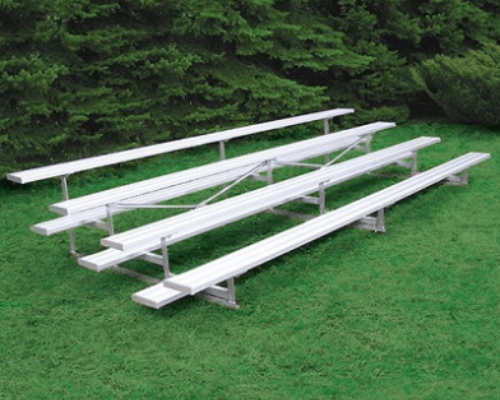
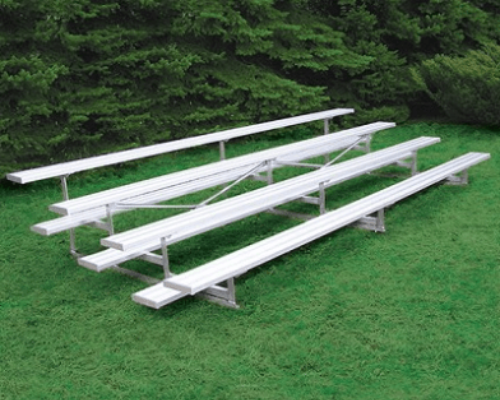
- Benches & Bleachers: Complementing the shelters with aluminum team benches ensures that the entire sideline maintains a cohesive, high-performance aesthetic.

Preparing for the Knockout Surge
With the group stage nearly complete, the soccer fever will only intensify. Facilities that wait until the final match to upgrade will find themselves behind the curve.
A 3-Step Facility Checklist for the Summer Surge:
- Equipment Audit: Inspect your existing goals for structural fatigue. Look for cracks in welds or rusting joints. If your goals aren't using cast aluminum corners, it may be time to upgrade to a Pevo heavy-duty model.
- Safety Verification: Ensure all goals are properly anchored. Use sandbags, auger anchors, or in-ground sleeves to meet safety standards.
- Sideline Modernization: Evaluate your seating. Do your players have protection from the elements? Adding team shelters not only protects athletes but also extends the life of your team benches by shielding them from direct sun and rain.

Conclusion: Lead with Professionalism
The 2026 World Cup is more than a tournament; it is a catalyst for the growth of the sport in North America. Whether it's the inspiration drawn from a Canada 6-0 victory or the tactical discipline shown by the USA, the next generation of players is watching.
By providing professional-grade equipment: from Pevo soccer goals to polycarbonate team shelters: athletic programs can capture this momentum, ensuring their facilities reflect the same quality and professionalism seen on the world stage.
At Goals4Sports, we specialize in helping schools and clubs navigate these upgrades. Don't just host the game; elevate it.