What Is Futsal and Does It Help With Soccer Skills?
If you’ve spent any time around youth clubs, high school programs, or elite soccer academies, you’ve likely heard the word futsal mentioned more and more. But what is futsal, and more importantly—does futsal really help improve soccer skills?
The answer is a resounding yes. In fact, many of the world’s most technically gifted players developed their foundational skills through futsal before moving to the full-size outdoor game. Endorsed by FIFA, futsal is now recognized worldwide as one of the most effective training environments for sharpening technical ability, decision-making speed, confidence, and creativity.
Let’s explore exactly what futsal is, how it differs from indoor soccer, and why it plays such a powerful role in modern player development.
What Is Futsal?
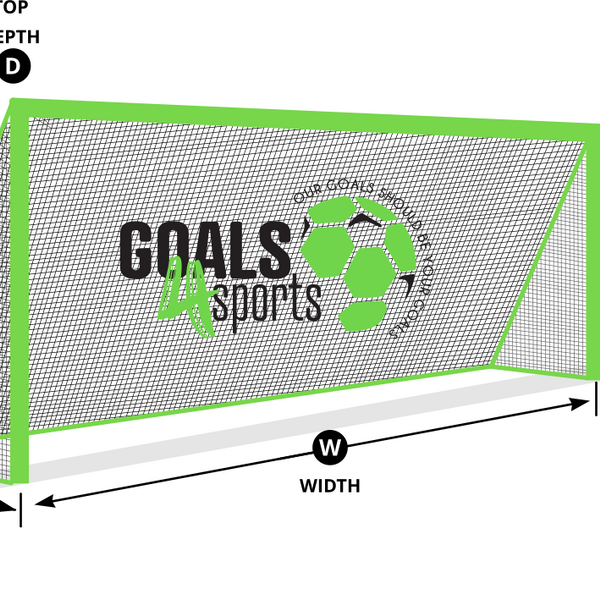
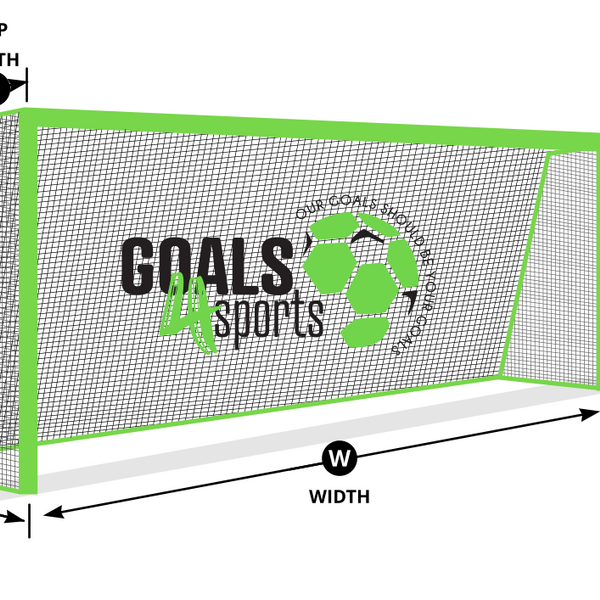
Futsal is a fast-paced, small-sided version of soccer played on a hard court surface with five players per side (four field players and one goalkeeper). The game uses a low-bounce futsal ball and compact futsal goals, which forces players to rely on skill, technique, and quick thinking rather than physical size or speed alone.
Unlike traditional indoor turf soccer, futsal:
-
Has no walls or boards
-
Emphasizes ball control and passing accuracy
-
Requires constant movement and decision-making
-
Creates more touches per player
This high-tempo environment accelerates technical growth and soccer IQ in ways that outdoor and turf formats simply can’t replicate.
Does Futsal Help With Soccer Skills? Absolutely—and Here’s Why
1. Dramatic Improvement in Ball Control
Because futsal is played in tight spaces with a weighted, low-bounce ball, players must master:
-
First touch accuracy
-
Close control under pressure
-
Dribbling in traffic
-
Receiving with all surfaces of the foot
This constant technical challenge directly improves outdoor performance. Players who train with ball control training equipment develop softer touches, better composure, and greater confidence on the soccer field.
2. Faster Decision-Making and Soccer IQ
In futsal, space and time disappear instantly. Players must:
-
Scan the field continuously
-
Anticipate movement
-
React in real time
-
Make split-second decisions
This environment trains players to think faster and play smarter—skills that carry over directly into 7v7, 9v9, and 11v11 outdoor matches.
3. Sharper Passing and Combination Play
Short, crisp passing is the heartbeat of futsal. Players naturally develop:
-
One-touch passing
-
Give-and-go movement
-
Angled support runs
-
Possession play under pressure
Over time, this builds better midfield control, smarter buildup play, and cleaner attacking combinations.
4. Stronger 1v1 Confidence for Attackers and Defenders
Futsal creates constant 1v1 situations. Attackers gain courage to take defenders on with skill and creativity, while defenders improve:
-
Footwork
-
Positioning
-
Closing speed
-
Interception timing
The result is a more confident, composed, and aggressive soccer player on both sides of the ball.
5. Elite Goalkeeper Development
Futsal goalkeepers face rapid-fire, close-range shots, which sharpens:
-
Reaction speed
-
Shot-stopping ability
-
Footwork
-
Distribution
Because keepers also play with their feet more often in futsal, it builds the modern sweeper-keeper skillset that today’s game demands.
Why Top Soccer Nations Rely on Futsal
Some of the most technically gifted players in the world grew up playing futsal before transitioning to full-field soccer. The tight spaces, constant pressure, and speed of play accelerate:
-
Technical mastery
-
Tactical awareness
-
Creativity under pressure
-
Confidence in possession
That’s why elite development programs integrate futsal into year-round training models.
Futsal vs Traditional Indoor Soccer
| Feature | Futsal | Indoor Turf Soccer |
|---|---|---|
| Playing Surface | Hardwood | Artificial Turf |
| Ball Type | Low-bounce futsal ball | Standard soccer ball |
| Walls | No | Sometimes |
| Focus | Skill, control, passing | Speed, physical play |
| Long-Term Development | Elite | Limited |
For true technical development, futsal is unmatched.
Why Equipment Matters for Futsal Development
To maximize training benefits, using proper goal sizing and correct training equipment is critical. High-quality professional futsal goals for training ensure:
-
Proper shooting technique
-
Accurate goalkeeper positioning
-
Realistic game scenarios
-
Safe indoor play
Using the right indoor soccer training gear also improves:
-
Practice efficiency
-
Player safety
-
Skill repetition
-
Session quality
Clubs and schools that invest in correct equipment consistently see better long-term player development results.
Is Futsal Good for Youth Soccer Players?
Futsal is especially powerful for:
-
Youth players (U6–U14)
-
Winter soccer training
-
School gym programs
-
Technical skill sessions
-
Club off-season development
With more touches, faster decisions, and constant involvement, players develop:
-
Stronger coordination
-
Faster confidence growth
-
Better creativity
-
Smarter positioning
Paired with portable soccer and futsal goals, futsal allows clubs and schools to train year-round—regardless of weather.
Final Verdict: Does Futsal Help With Soccer Skills?
Without question—yes.
Futsal is one of the most effective training tools for improving:
-
Ball control
-
Passing accuracy
-
Speed of play
-
Decision-making
-
Creativity
-
Confidence
-
Tactical awareness
For coaches, parents, athletic directors, and players serious about development, futsal is not just an optional add-on—it’s a foundational training tool for building smarter, sharper, and more technically gifted soccer players.
If your goal is to elevate player performance at every level, futsal should be part of your program’s core training philosophy.