A shared athletic field can support more programs, more practices, and more student participation: but only when the equipment strategy matches the facility schedule. At the start of the fall season, athletic directors and school facility managers are balancing soccer, field hockey, and lacrosse use while preparing for changing weather, compressed schedules, and limited maintenance resources.
The goal is not simply to place three sports on one surface. It is to create a repeatable system that allows one crew to convert the field efficiently, protect the playing surface, and present a professional sideline environment for every program.
Why Shared Multi-Sport Fields Matter in September
September is often the highest-pressure month for school athletic facilities. Soccer, field hockey, and lacrosse programs may all need prime field access, while football practices, physical education classes, community rentals, and weekend tournaments compete for the same space.
A well-equipped multi-sport complex helps schools:
- Increase field utilization without adding another full-size surface.
- Reduce setup and teardown labor.
- Protect turf from unnecessary dragging and equipment congestion.
- Standardize safety inspections across multiple sports.
- Create a consistent, professional appearance for athletes, families, and visiting teams.
The most effective approach combines sport-specific equipment with mobility systems, organized storage, and sideline infrastructure that can serve several programs.
Start With the Right Goal Strategy
Soccer, field hockey, and lacrosse each require dedicated goals. Using the correct frame, net, and base design improves performance while reducing the risk of improvised setups or delayed changeovers.
Soccer: Match Goals and Flexible Training Options
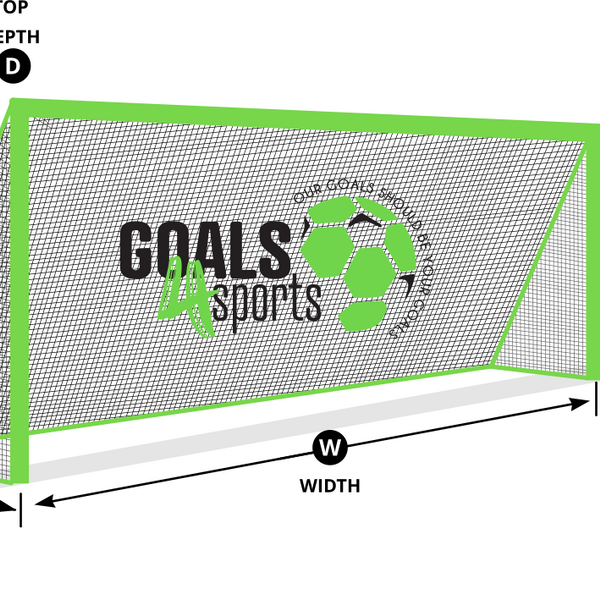
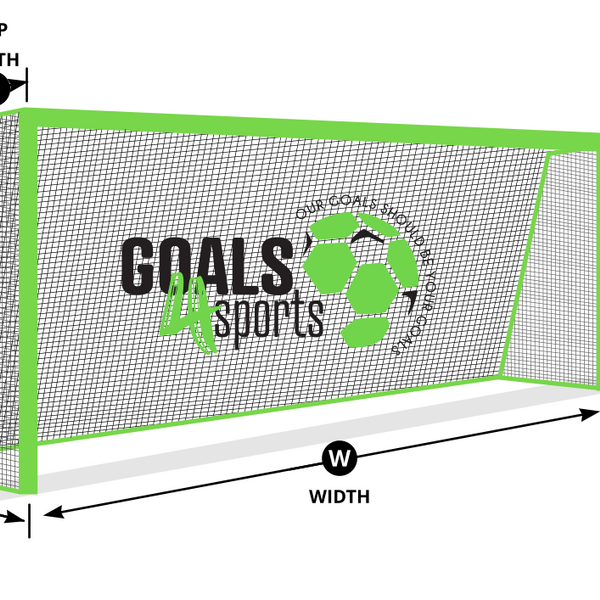
For varsity matches and high-traffic fields, schools should select soccer goals based on competition level, field configuration, storage capacity, and mobility requirements. The Pevo Soccer Goals by Style collection includes portable, permanent, training, park, channel, supreme, and stadium-style options.
Programs that host high-level matches can elevate their sideline presence with Stadium Soccer Goals 8x24 Box Style. The collection includes professional 8-by-24-foot box-style goals, including options with transport wheels and designs intended for multi-use fields.
For practices, small-sided games, and overflow areas, Bownet Portable Soccer Goals provide a flexible alternative. Bownet models are designed for quick, tool-free setup, compact storage, and easy transport. They are especially useful when coaches need to divide a shared field into multiple training stations without moving full-size match goals.
Schools should also maintain a dedicated inventory of properly sized Soccer Balls for matches, training, and youth development. Separate match and practice balls simplify equipment control and help preserve premium game-day inventory.

Field Hockey: Dedicated Frames for a Consistent Playing Environment
Field hockey goals require a purpose-built design with regulation dimensions, durable backboards, secure netting, and a stable base. The Field Hockey Goals collection includes practice goals, official 12-by-7-foot models, aluminum frames, and options designed for NCAA and FIH-level play.
For shared fields, mobility is a major consideration. A field hockey goal that can be moved without dragging reduces strain on staff and helps protect synthetic turf or natural grass. When a program needs a training goal in a secondary location, a practice model can provide flexibility without relocating the primary match equipment.
Field hockey equipment should be stored separately from soccer and lacrosse gear. Use clear labeling and a sport-specific transition checklist so the correct goals, nets, boards, and accessories are available for each practice or match.
Lacrosse: Durable Goals for Fast Conversion
Lacrosse goals must withstand repeated shots, frequent setup, and seasonal outdoor exposure. Schools can review the Lacrosse Goals collection for professional, official, practice, and portable models.
A shared complex benefits from keeping full-size lacrosse goals ready for game configurations while maintaining a practice goal for drills or secondary field use. Portable options can also support clinics, youth development, and offseason training without occupying the primary match setup.
As with every portable goal, facility staff should verify anchors, net attachment points, frame condition, and placement before use. Equipment should be removed from active run-off areas when the sport changes.
Mobility Gear Lets One Crew Convert the Field
The equipment itself is only one part of facility optimization. The transition process determines whether a field can move from soccer to field hockey or lacrosse on schedule.
Add Goal Transport and Wheels
The right Soccer Goal Wheels & Field Hockey Goal Wheels can reduce lifting, dragging, and frame stress. The collection includes portable and permanent wheel assemblies, field hockey wheel kits, and goal transport components designed for repeated use.
For schools that move goals regularly, wheel assemblies can:
- Reduce the number of staff required for setup.
- Minimize damage to turf and goal frames.
- Improve storage access.
- Speed up mowing and maintenance operations.
- Support safer handling during wet or congested conditions.
A wheel system should be selected to match the goal frame, surface type, and travel path. Before the season begins, test every assembly on the actual route between storage and the field.
Use a Dedicated Goal Taxi or Carry Cart
For larger goals and frequent conversions, the GOAL TAXI Goal Transport System provides a heavy-duty transport solution. A dedicated mover can help one crew reposition full-size equipment while reducing awkward lifting and unnecessary contact with the playing surface.
Schools should establish a designated transport path that avoids player entrances, spectator circulation, drainage areas, and painted lines. Store transport systems where they can be accessed quickly but do not create a sideline obstruction.
A practical September transition checklist should include:
- Confirm the field schedule and next sport.
- Remove unused goals from the run-off area.
- Inspect nets, anchors, wheels, and frame connections.
- Transport equipment using the approved route.
- Confirm field markings and sport-specific layout.
- Stage benches and shelters outside active play zones.
- Record damage or maintenance needs before storage.
Build Sideline Infrastructure for Every Program
Professional sideline infrastructure improves weather protection, organization, privacy, and the overall presentation of the facility. It also allows schools to serve multiple sports without purchasing separate systems for every program.
Protect Teams With Custom Shelters
Team Shelters help shield players, coaches, and equipment from sun, rain, wind, and debris. Custom covers can incorporate school colors, team branding, or sponsor graphics, creating a consistent visual identity across soccer, field hockey, and lacrosse.
For a modern appearance, European-style shelters use mill finish aluminum with tinted polycarbonate panels. These materials provide a sleek, durable structure while supporting visibility and weather protection. Portable club shelters are also useful when the same field must support different programs or sideline layouts throughout the week.

Use Aluminum Benches for Flexible Team Seating
Aluminum Player Benches provide a durable seating solution for players, coaches, officials, and support staff. Schools can select benches with backrests for added comfort or streamlined models without backrests for flexible, multi-use placement.
Aluminum construction resists rust, moisture, insects, and routine outdoor wear. Powder-coated finishes can also coordinate with school colors while providing a clean, professional look.
For a shared field, consider a combination of fixed and portable benches. Permanent sideline seating supports the primary match layout, while movable benches allow facility managers to adapt the field for field hockey, lacrosse, soccer tournaments, and community use.
Improve Spectator Capacity With Portable Bleachers
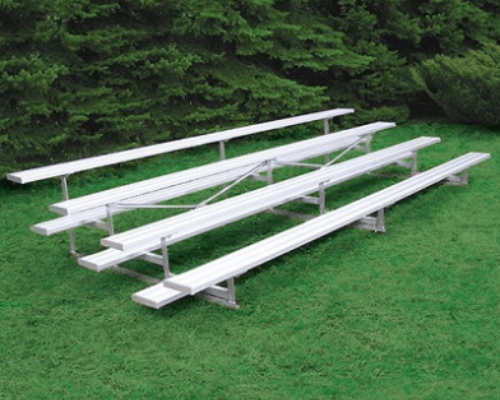
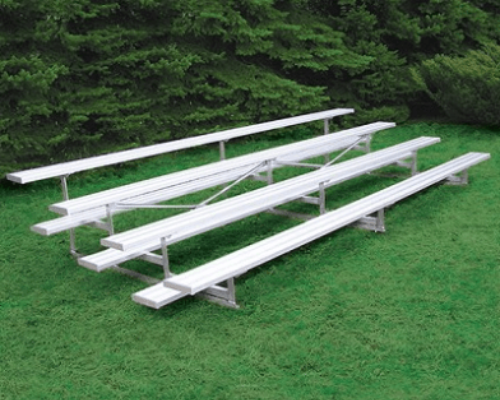
Portable Aluminum Bleachers help schools expand seating where demand is highest. Three-row tip-and-roll models can support smaller fields and temporary events, while larger four-row configurations provide additional capacity for varsity games and tournaments.
Aluminum bleachers offer weather resistance, low maintenance, and a professional appearance. Place them outside player run-off zones and maintain clear pathways for emergency access, equipment transport, and spectator circulation.

Protect Shared Spaces With Barrier Netting
A multi-sport complex needs more than goals and seating. Errant soccer balls, lacrosse shots, field hockey balls, and football practice equipment can reach walkways, parking areas, adjacent fields, or spectators.
Backstops & Barrier Netting can help contain equipment and separate active practice zones. Portable barrier nets are useful for dividing training areas or creating temporary shooting lanes. Larger systems can protect walkways, spectator areas, and nearby property.
Barrier netting also supports broader facility use. The same containment strategy can benefit baseball and softball practice areas, football training zones, tennis courts, and pickleball installations located near shared circulation paths.

September Budget and Priority Checklist
When capital funds are limited, prioritize improvements that reduce labor and protect existing assets.
Priority 1: Safety and compliance
- Inspect every goal, net, anchor, and wheel assembly.
- Remove damaged equipment from service.
- Keep run-off zones clear.
- Confirm barrier netting protects high-risk areas.
Priority 2: Mobility
- Add goal wheels or compatible wheel assemblies.
- Evaluate a Goal Taxi or carry cart for full-size equipment.
- Establish marked storage and transport routes.
Priority 3: Sideline readiness
- Provide weather-resistant team shelters.
- Replace aging benches with durable aluminum models.
- Add portable bleachers where spectator demand exceeds permanent seating.
Priority 4: Long-term presentation
- Coordinate powder-coated finishes and shelter colors.
- Add team branding where appropriate.
- Standardize equipment labels and storage procedures.
Get More From Every Field
A multi-sport facility performs best when its equipment is engineered for change. Dedicated soccer goals, field hockey goals, and lacrosse goals support sport-specific performance. Goal transport and wheels help one crew convert the field efficiently. Team shelters, aluminum benches, stadium bleachers, and barrier netting protect people while elevating the professional image of the entire complex.
For help planning a practical fall equipment package, contact the Goals4Sports team. We can help athletic directors and facility managers match equipment, mobility, seating, and branding requirements to the field and budget.
Thank You
Thank you for following the “Sports Equipment and School Facilities” series. Here’s to a safe, efficient, and successful fall season.