The global stage has finally gone dark, the echoes of the crowd at MetLife Stadium have faded, and a new champion has been etched into the history books. On July 19, 2026, the soccer world converged on the New York/New Jersey area for a final that lived up to the immense scale of this unprecedented 48-team tournament.
Spain has officially secured their second World Cup title, ending a 16-year wait and cementing their status as the premier force in international soccer. As we wrap up our coverage of this historic event, we reflect on the drama of the knockout stages, the logistical triumphs of the North American hosts, and the exciting roadmap for the tournaments to come.
The Final: A Tactical Masterclass at MetLife
The final between Spain and Argentina was a clash of reigning continental champions: a rare "Top 2" FIFA-ranked showdown on the world’s biggest stage. For 105 minutes, the heavy-duty defensive lines of both nations held firm. Argentina, led by a determined Lionel Messi in his final World Cup appearance, played with the grit and transition speed that characterized their championship run in 2022.
However, the tide turned in the 106th minute of extra time. A perfectly placed cross found Ferran Torres, who buried a clinical left-footed finish to give Spain the 1-0 lead. The match grew increasingly physical, culminating in a red card for Argentina’s Enzo Fernández. Despite a late-game surge by the Albiceleste, Spain’s tactical discipline and superior ball retention ensured the trophy would return to Madrid. For Messi, it was a poignant end to a legendary international career, while for Spain, it was a validation of their possession-based philosophy.
Third-Place Thriller: England and France Reset the Record Books
While the final was a tense, tactical affair, the third-place playoff in Miami Gardens was an offensive explosion. England defeated France 6-4 in one of the most high-scoring matches in tournament history. Bukayo Saka delivered a historic hat-trick, securing England’s best World Cup finish since 1966.
For France, the loss marked the end of a prolific era under coach Didier Deschamps. Despite two goals from Kylian Mbappé, the French side struggled to contain England’s dynamic wing play. This match underscored the importance of high-performance facility infrastructure; the blistering pace and precision on display required pitch conditions of the highest caliber.
Tournament Retrospective: Success in Scale
The 2026 World Cup was the largest in history, featuring 104 matches across the United States, Canada, and Mexico. Critics of the 48-team expansion were largely silenced by the competitive parity and high-stakes drama of the group stages. From the opening match at the iconic Estadio Azteca to the final whistle at MetLife, the tournament proved that North America is more than capable of hosting massive, multi-national sporting events.
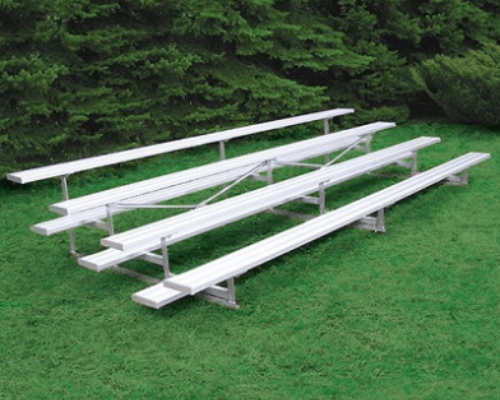
For athletic directors and facility managers, the tournament provided a masterclass in sideline management and spectator comfort. We saw the world’s best athletes utilizing premium team shelters and sitting on weather-resistant benches that shielded them from the varying climates of 16 host cities.
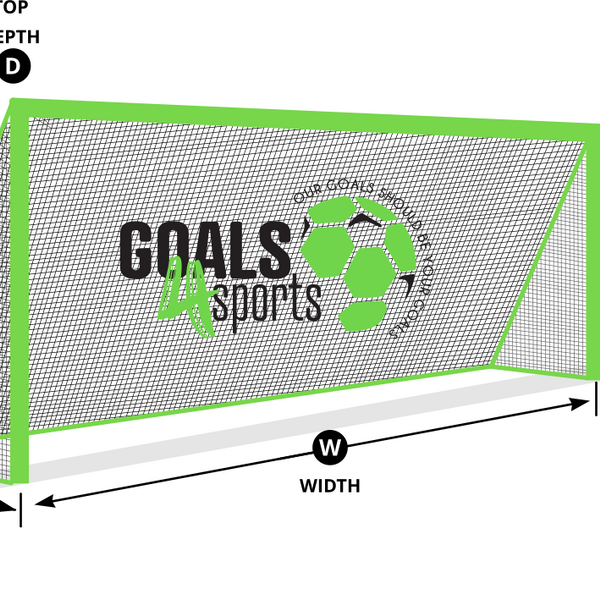
Maintaining this level of professionalism requires more than just talent; it requires the right equipment. At Goals4Sports, we specialize in providing that same professional-grade craftsmanship to schools and youth leagues across the country. Whether it is heavy-duty aluminum soccer goals or custom-branded mobile press boxes, the equipment used at the highest levels of play is now accessible for your own program.

Looking Ahead: The Centenary 2030 World Cup
As the 2026 cycle concludes, the focus shifts to the 2030 World Cup: a tournament designed to celebrate the centenary of the very first competition in 1930. In a historic move, the tournament will be hosted across six countries on three different continents.
- Primary Hosts: Morocco, Portugal, and Spain will serve as the main host nations, providing a Mediterranean-centered tournament with world-class facilities.
- Centenary Matches: To honor the history of the sport, Uruguay, Argentina, and Paraguay will each host an opening match.
- 2034 and Beyond: FIFA has also confirmed that Saudi Arabia will host the 2034 World Cup, continuing the trend of expanding the game’s global footprint.
These upcoming tournaments will continue to push the boundaries of sports infrastructure. As international standards evolve, so must the gear we use at the local level. Upgrading to powder-coated, mill-finish soccer goals or installing polycarbonate-shielded shelters ensures that your facility remains ahead of the curve, providing a professional image that attracts top-tier talent and sponsors.

Elevate Your Program with Goals4Sports
The 2026 World Cup has shown us that the future of soccer is bright, expansive, and professional. We want to thank all of our readers for following along with our tournament series. It has been an honor to cover the journey from the first whistle to Spain’s historic celebration.
At Goals4Sports, our mission is to ensure your facility reflects the same level of excellence seen on the world stage. From field marking paint to elite-level goals and seating, we are your one-stop shop for durable, professional-grade sports equipment.

If your school, club, or organization is ready to upgrade its field presence, don’t hesitate to contact our expert team. We offer personalized customer service and the ability to customize your gear to match your team’s branding.
Call us today at (401) 244-5951 or email us for a customized quote. Let’s build the next generation of champions together.