As the autumn air begins to cool and the summer heat dissipates, athletic directors and facility managers across the country are shifting their focus to the upcoming fall season. Whether you are overseeing a high school soccer program, a collegiate field hockey team, or a municipal sports complex, the condition of your sidelines speaks volumes about your commitment to player safety and organizational professionalism.
A neglected sideline is more than just an eyesore; it is a liability. From the structural integrity of your soccer goals to the weather-resistance of your team shelters, every piece of equipment must be scrutinized to ensure a seamless transition into the competitive season.
To help you prepare, we have compiled a comprehensive 10-point checklist designed to evaluate your facility’s readiness. Use this guide to identify potential hazards, upgrade aging infrastructure, and elevate the spectator experience before the first whistle blows.
1. Inspect Soccer Goal Structural Integrity
The foundation of a safe pitch is the structural soundness of your goal frames. Throughout the off-season, aluminum frames can suffer from weld fatigue or impact damage. Begin by inspecting all welded joints, particularly the corners where the crossbar meets the uprights.
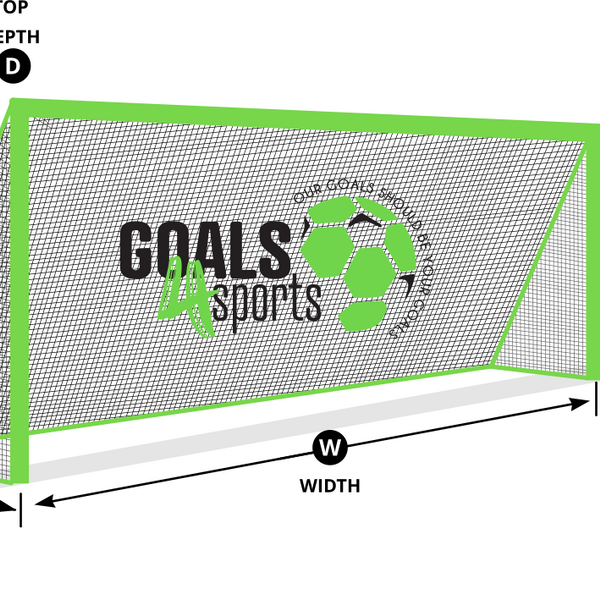
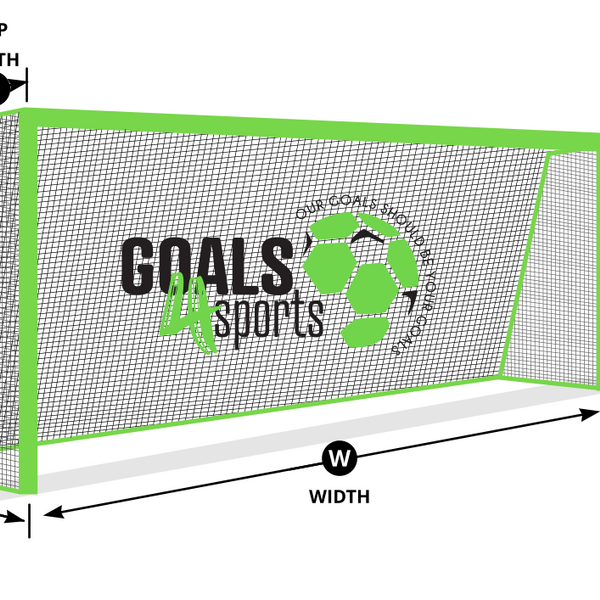
Look for fine hairline cracks or signs of deformation. For high-traffic school environments, we recommend Heavy-Duty Aluminum Soccer Goals engineered with reinforced corners. If your goals utilize a mill finish or powder-coated surface, check for chips or oxidation that could compromise the metal's longevity. Ensuring your frames are true and not bowing is the first step in preventing equipment failure during high-intensity play.

2. Verify Compliance with Safety Anchoring Standards
Stability is the most critical safety factor for any movable soccer goal. Unanchored or poorly anchored goals pose a severe risk of tip-over accidents. Review your current anchoring systems: whether they are ground augers, weighted anchors, or in-ground sockets: to ensure they meet ASTM safety standards.
Check that ground anchors are not loose or bent and that sandbags or counterweights are not leaking or degraded. For turf fields where traditional stakes are not an option, ensure your Stadium Soccer Goals are utilizing the correct weight ratios specified by the manufacturer. If you are moving goals frequently, consider an integrated counterweight system that eliminates the need for external sandbags.
3. Assess Net Condition and Attachment Hardware
Nets are often the first component to show wear. UV exposure and winter storage can make poly-fiber netting brittle, leading to tears that allow balls to pass through. Conduct a "stress test" by pulling on various sections of the net to check for fraying rope.
Equally important is the hardware used to secure the net to the frame. Inspect all net clips and hooks. Plastic clips can become brittle and snap, while metal hooks may develop sharp edges that can snag skin or jerseys. We suggest upgrading to recessed net attachment systems where possible, as they provide a sleek, modern look and eliminate the protrusions that lead to common injuries. If your nets are sagging or have holes larger than the ball diameter, explore our range of Replacement Soccer Nets designed for weather resistance.
4. Test Portable Goal Mobility and Wheels
In multi-use facilities, the ability to move goals quickly and safely is a logistical necessity. If your goals are equipped with transport wheels, verify that the axles are lubricated and the tires are properly inflated.
Wheels that are seized or damaged require excessive force to move, which puts unnecessary strain on both the equipment and your maintenance staff. Check the "flip-over" or "retractable" mechanisms to ensure they lock securely in both the transport and play positions. A well-maintained mobility system prevents the dragging of goal frames, which can damage expensive synthetic turf and mar natural grass surfaces.
5. Evaluate Bleacher Structural Integrity
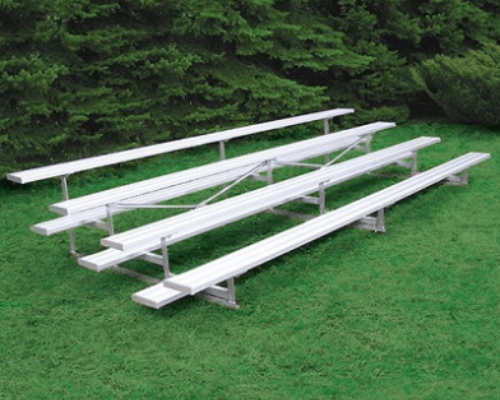
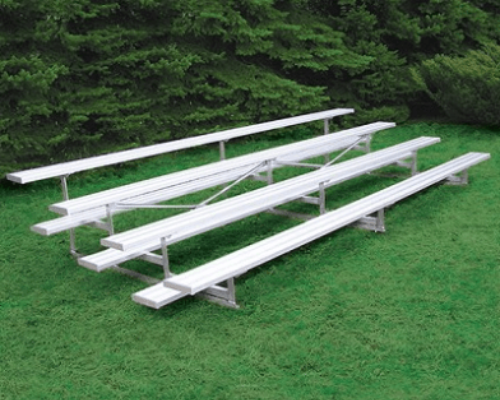
Spectator safety is as vital as player safety. Before the stands fill with fans, perform a comprehensive inspection of all Aluminum Bleachers. Look for loose bolts, missing end caps, and signs of structural fatigue in the understructure.
If you utilize portable bleachers, check the frame for any warping that may have occurred during previous moves. Aluminum is chosen for its strength-to-weight ratio and corrosion resistance, but mechanical connections can still loosen over time due to thermal expansion and vibration. Ensure that every seat plank and footboard is securely fastened to the stringers to prevent tripping hazards or structural collapse.

6. Ensure ADA Compliance for Spectator Seating
Facility accessibility is not just a best practice; it is a legal requirement. Review your seating areas to ensure they meet current ADA (Americans with Disabilities Act) standards. This includes providing clear lines of sight, integrated wheelchair spaces, and compliant ramps.
If your current bleachers lack these features, it may be time to consider an upgrade or a modification kit. Providing an inclusive environment enhances your program's reputation and ensures that all community members can enjoy the season safely.
7. Inspect Team Shelter Covers and Weatherproofing
Team Shelters are designed to shield athletes from wind, rain, and intense sun. Check the condition of the polycarbonate panels or fabric covers. Polycarbonate should be inspected for cracks or clouding, which can indicate UV degradation.
For shelters with fabric canopies, look for thinning material or tears at the attachment points. Ensure that all side panels are securely fastened and that any "clear view" windows are clean and free of obstructions. A high-performance team shelter elevates the professional look of your sideline while keeping your roster focused and protected from the elements.

8. Refresh Branding and Sponsor Panels
The pre-season is the ideal time to update your sideline aesthetics. Team shelters and Press Boxes offer prime real estate for team logos and sponsor branding. Inspect existing graphics for fading or peeling.
Professional-grade equipment that features custom powder-coating and branded panels creates a sense of pride for the home team and projects an elite image to visiting programs. Consider replacing worn sponsor banners or adding new team-colored accents to your sideline gear to enhance the "home field advantage" atmosphere.
9. Ready the Press Box and Sideline Infrastructure
For schools with media programs or dedicated scoring officials, the press box must be operational. If you use a mobile press box, check the stability of the stairs and railings. Ensure that all viewing windows are functional and that the interior is clean and free of pests that may have nested during the off-season.
Check any electrical connections or integrated desk surfaces for damage. A portable press box provides a professional, elevated view of the field and acts as a central hub for game-day operations. Ensuring it is shield-ready and comfortable will help your officials and media staff perform at their best.

10. Audit Field Maintenance and Marking Gear
Finally, evaluate the tools used to maintain the pitch itself. Are your line painting machines cleaned and functional? Do you have a sufficient supply of premium field paint? Check your Field Maintenance Accessories, including corner flags and yard markers.
Ensure that corner flag poles are flexible and that the flags themselves are not frayed. Having a well-stocked inventory of maintenance gear prevents last-minute scrambles on game day and ensures your field always looks its professional best.
Final Thoughts
Preparing your sideline for the fall season is a rigorous but rewarding process. By systematically checking your soccer goals, bleachers, shelters, and maintenance gear, you mitigate risk and provide a premium environment for your athletes and fans.
At Goals4Sports, we specialize in providing heavy-duty, engineered solutions for schools and professional programs. If your inspection reveals equipment that is past its prime, our expert team is ready to assist you with high-quality replacements and custom upgrades.
Ready to elevate your facility? Contact Goals4Sports today for a quote on professional-grade sideline equipment.