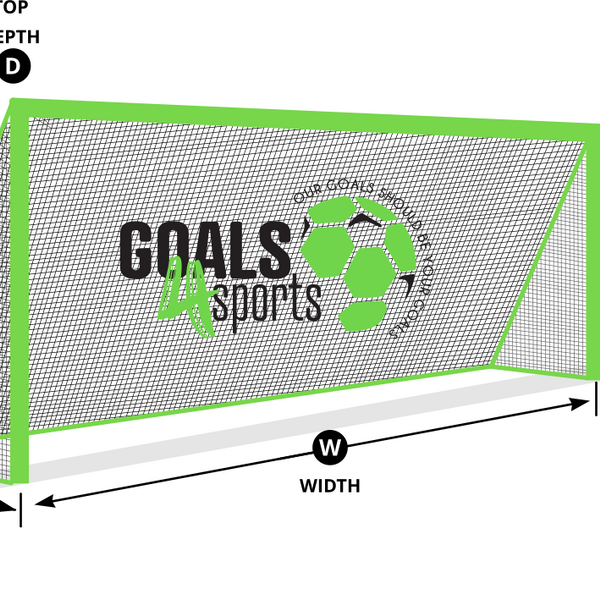
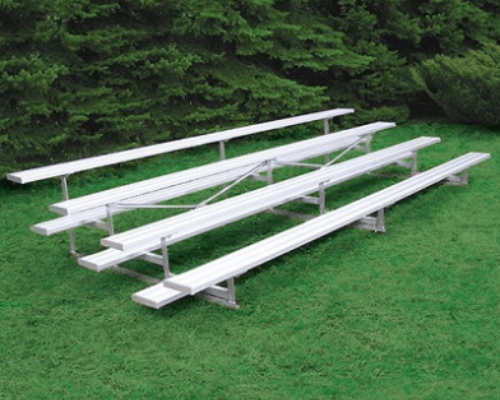
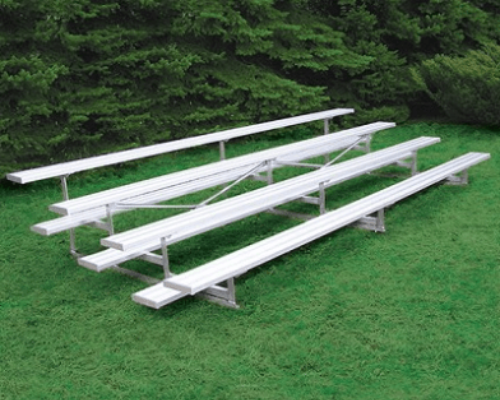
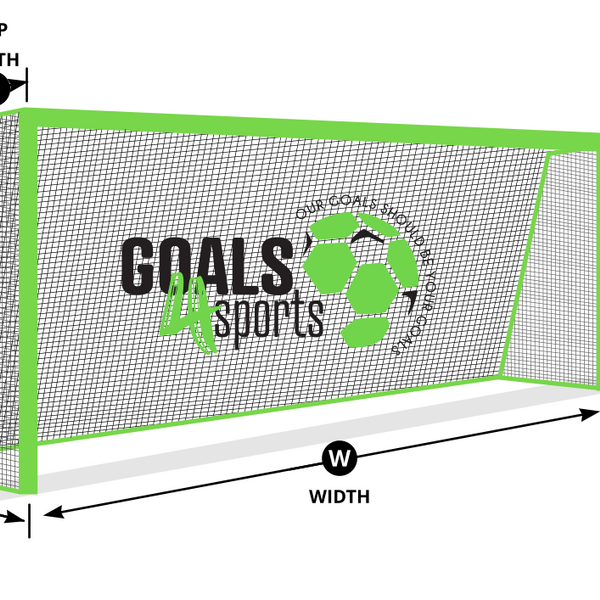
For athletic directors, facilities managers, and school administrators, upgrading an athletic facility is an exciting milestone. Whether you are outfitting a stadium with new multi-tier spectator seating or installing professional-grade field infrastructure, receiving heavy freight requires careful logistical planning. Unlike standard parcel shipments, large-scale athletic gear: such as heavy-duty bleachers, heavy-gauge team shelters, press boxes, and competition soccer goals: moves via freight carriers (LTL or FTL).
Without proper preparation, unexpected freight charges, delivery delays, and overlooked transit damage can derail your project budget. Implementing a standardized receiving protocol ensures that your investment in premium Goals4Sports Equipment arrives safely, on schedule, and ready for immediate installation.
1. Advance Site Preparation and Access Routes
Before the freight truck ever departs from the manufacturing facility, your campus must be physically prepared to receive an oversized shipment. Delivery drivers operating full-size semi-trucks face tight turnarounds, low-hanging branches, and restricted campus gates.
Securing Truck Access
- Verify Turnaround Radius: Ensure that access roads, delivery gates, and parking lots can accommodate a 53-foot semi-trailer. If your campus features tight entryways or low-clearance archways, notify your supplier in advance so alternative delivery arrangements can be coordinated.
- Clear the Unloading Zone: Designate a clear, level staging area near the installation site. Remove parked vehicles, athletic equipment, and pedestrian foot traffic from the drop zone to ensure safe maneuvering for forklifts and pallet jacks.
- Provide Accurate Contact Data: Supply the freight carrier with the direct mobile number of your on-site facilities manager or athletic director. A direct line of communication prevents missed delivery windows and eliminates costly re-delivery fees.
2. Specifying Essential Freight Services Upfront
One of the most common pitfalls when ordering sports equipment for schools is failing to specify required delivery accessorials at the time of purchase. Standard freight delivery typically assumes a commercial loading dock with a forklift. Most educational and municipal athletic complexes lack these industrial docks.

Key Delivery Options to Request:
- Liftgate Service: If your campus does not have a loading dock, a liftgate truck is mandatory. The hydraulic lift lowers heavy pallets safely from the trailer bed to ground level, protecting personnel from injury and equipment from impact damage.
- Inside Delivery or Job-Site Placement: For sensitive equipment or specialized items like custom Aluminum Team Benches, specify whether you require placement beyond the curbside drop zone.
- Appointment Delivery: Schools operate under strict schedules and security protocols. Requesting a delivery appointment ensures the carrier calls 24 hours in advance, allowing you to have facility staff and necessary heavy-duty labor present upon arrival.
3. Rigorous Inspection Upon Arrival: Protecting Your Investment
When the freight carrier pulls up to your facility, every minute counts. Never rush the receiving process. A thorough physical inspection of your shipment before signing the Bill of Lading (BOL) is your primary defense against unrecoverable transit damage.
The Pre-Unloading Inspection Checklist:
- Verify Piece Count: Count every pallet, crate, and loose component against the shipper’s Bill of Lading and packing list. Ensure that the total matches precisely before signing off.
- Examine Packaging Integrity: Look closely for crushed corners, punctured crates, torn shrink-wrap, or wet cardboard. Premium gear: such as weather-resistant Aluminum Bleachers: requires secure palletizing and edge protection to survive long-haul transit.
- Document Visible Damage Immediately: If you notice any compromised packaging, write detailed notes directly on the driver’s delivery receipt (e.g., "Pallet #2 top corner crushed, shrink-wrap torn, framing exposed"). Take clear, high-resolution photographs from multiple angles before moving or opening the freight.
- When to Refuse Delivery: In cases of severe structural damage: such as bent framework on structural components or heavy damage to Stadium Soccer Goals: note the damage on the receipt and refuse the affected items immediately, then contact your manufacturer.
4. Having the Right Personnel, Equipment, and Staging Ready
Successful freight handling relies on having adequate human resources and material handling tools on hand. Relying solely on manual lifting for heavy-gauge aluminum or steel structures creates severe safety risks and potential product damage.

Resource Planning:
-
Material Handling
- PEVO soccer goal frames and crossbars should be carefully moved by hand to reduce the risk of dents, scratches, bending, or other damage. Use enough people to safely support each component along its full length. Do not move soccer goal frames or crossbars with forklifts, pallet jacks, or heavy-duty dollies unless the components remain securely packaged and are fully supported.
- Team Shelters and Press Boxes & Filming Towers should be moved with forklifts equipped with extended forks. Make sure the forks provide adequate support across the full width or length of the packaged equipment. Confirm that each item is properly balanced and secured before lifting or transporting it.
- Hardware Management: Large athletic equipment often arrives with numerous fasteners, brackets, and bracing components. Designate a secure, dry storage area to keep all hardware bags attached to their corresponding main frames until final assembly begins.
- Staging and Climate Control: Store delicate components, canopy covers, and padded shelters in a secure, dry indoor facility until assembly and installation take place. Do not discard protective crating or pallets until every component has been fully inventoried, assembled, and tested.
5. Partnering with a Reliable Manufacturer for Seamless Logistics
Navigating freight logistics is significantly easier when you partner with an experienced manufacturer that understands the unique constraints of schools, athletic programs, and municipal facilities.
At Goals4Sports, we combine professional-grade craftsmanship with dedicated customer support. From engineering durable team shelters and multi-row bleachers to manufacturing high-performance soccer goals and sideline accessories, we provide clear delivery guidelines, accurate packing lists, and responsive customer service to ensure your athletic facility upgrades go off without a hitch.
By investing time in advance site preparation, specifying proper liftgate and appointment services, and performing a rigorous inspection upon arrival, your athletic program can eliminate costly mistakes and secure professional-grade equipment that stands the test of time.